
VAT Compliance Amazon FBA and Other Fulfillment Services in Poland – When Does VAT Liability Arise?
What is Amazon FBA and Fulfillment in Poland?
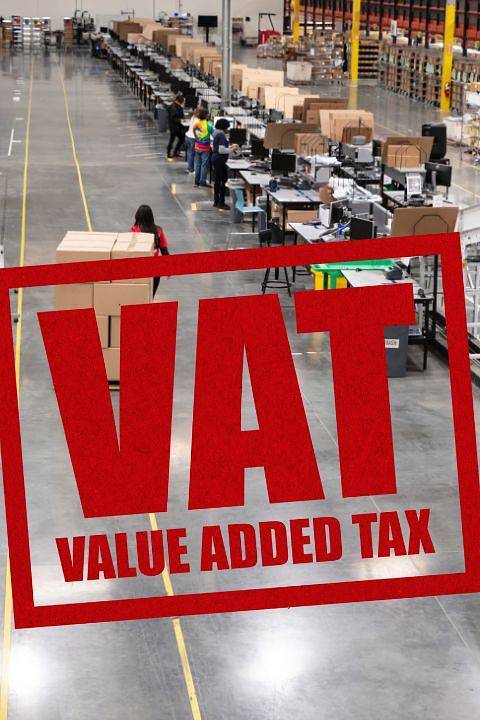
Amazon FBA (Fulfillment by Amazon) is a logistics service in which sellers ship products to an Amazon warehouse, and Amazon handles storage, packing, and shipping to customers.
Similar services are offered by other fulfillment providers in Poland, e.g., courier companies and warehouses integrated with e-commerce platforms.
Why Does Warehouse Location Matter for VAT?
Polish tax law treats goods stored in a warehouse in Poland as intended for sale within the country. This means that the seller may be required to register for VAT in Poland, even if they operate in another EU country.
When Does VAT Liability Arise in Poland?
Storing Goods in Poland
VAT liability arises when goods are placed in a warehouse in Poland, regardless of whether you use Amazon FBA or another fulfillment provider.
- Goods in warehouse → Polish VAT registration required.
- EU seller → must register for VAT in Poland if storing products in the country.
Selling Goods from a Warehouse in Poland
- Domestic sales (B2C and B2B): VAT is applied at the Polish rate (23%, 8%, or 5%, depending on the product).
- Sales to the EU (B2C): If annual sales exceed €10,000, you must use the OSS procedure or register for VAT in the customer's country.
- Sales to the EU (B2B): Reverse charge applies if the buyer is an EU VAT-registered business.
Warehouses in Other EU Countries
If goods are stored in Amazon FBA warehouses or other fulfillment centers in other EU countries, VAT liability arises in the warehouse's country. Polish VAT registration is only required if the products are stored in Poland.
Practical Tips for E-Commerce Sellers
1. Check warehouse locations – any movement of goods to another EU country can trigger new VAT obligations.
2. Use OSS – the One Stop Shop procedure simplifies VAT reporting for EU sales.
3. Keep accurate inventory records – this is helpful in case of a tax audit.
4. Consult a tax advisor – especially if using Amazon FBA in multiple countries.
Summary
When does VAT liability arise in Poland for Amazon FBA and fulfillment services?
- Goods in a warehouse in Poland → VAT registration in Poland is required.
- Goods in EU warehouses → VAT liability in the country where the warehouse is located.
- Sales to the EU → €10,000 threshold, use OSS or local VAT registration.
Careful planning of logistics and VAT reporting helps avoid penalties and optimize e-commerce costs.