Current Pay transparency 2026 in practice - a meeting for HR and business leaders in Poznań
On 5 May 2026, the meeting “Pay Transparency 2026: legal regulations and a practical case study for HR and business leaders” was held at Plus Jeden Poznań . The event brought together HR professionals, organisational leaders and people responsible for preparing companies for upcoming changes in pay transparency and equal pay.
The meeting was organised by VON ZANTHIER & DACHOWSKI, Polsko-Niemieckie Koło Gospodarcze w Poznaniu / DWK and ProUp Solutions. The event partner was Invest in Poznań , and the host venue was Plus Jeden Poznań.
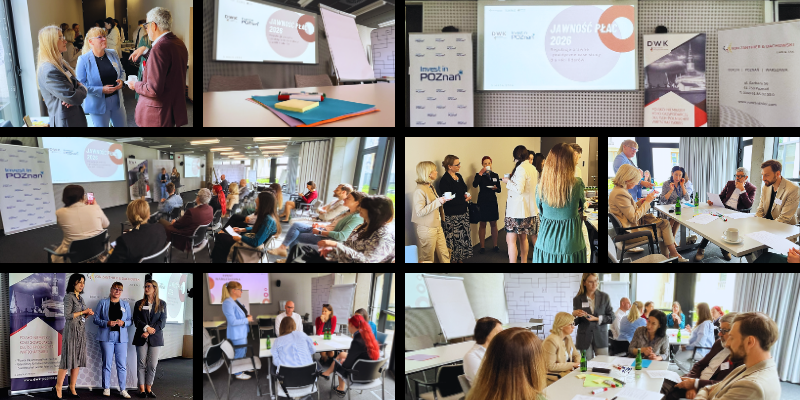
The meeting aimed to demonstrate how employers can effectively prepare for implementing pay transparency and equal pay regulations. The expert part covered the key obligations of employers, potential legal and reputational risks, and the first steps organisations should take. The second part had a workshop format: participants worked in small groups on a practical case study based on real organisational challenges.
The session was led by VON ZANTHIER & DACHOWSKI labour law and HR experts: Karolina Barałkiewicz-Sokal , Partner, attorney-at-law in Poland, and Paula Staszak-Urbańska , LL.M., attorney-at-law in Poland. Participants discussed, among other things, possible employee questions, risks related to communicating pay rules and decisions that may determine the success of implementing the new requirements.
The strong engagement of participants, numerous questions and active workshop section showed that pay transparency is not only a legal issue. It is also an organisational, communication and management challenge. Companies that start preparing early will be better positioned to structure pay processes, reduce risks and strengthen employee trust in internal remuneration rules.
We want to thank all participants for their active contribution, openness and exchange of experience. We also thank the co-organisers, the event partner and the host venue for creating a space for dialogue, cooperation and practical work on one of the most important HR topics for the coming months.
VON ZANTHIER & DACHOWSKI supports employers in preparing for the implementation of pay transparency and equal pay rules – from analysing legal obligations, reviewing HR documents and processes, to management training and support with internal communication.