
All articles by Aleksandra Philips
VAT Compliance
Amazon FBA and Other Fulfillment Services in Poland – When Does VAT Liability Arise?
Find out when VAT liability arises for Amazon FBA and other warehouses in Poland. Learn how to handle VAT correctly and avoid problems with the tax authorities.
VAT Compliance
When Does a Foreign Company Need to Register for VAT in Poland? 10 Most Common Cases
VAT registration in Poland is not only mandatory for Polish businesses but also for foreign companies operating on the Polish market. Whether you sell goods, provide services, or run an e-commerce business, understanding Polish VAT rules is essential to avoid tax risks. In this article, we present the 10 most common situations in which a foreign company must register for VAT in Poland.
VAT Compliance
OSS and local VAT registration in Poland – when one system is not enough
The VAT OSS (One Stop Shop) system was designed to simplify VAT compliance within the European Union, and in many cases, it truly serves that purpose. For businesses engaged in cross-border sales, particularly in e-commerce, OSS can be a major facilitation.
VAT Compliance
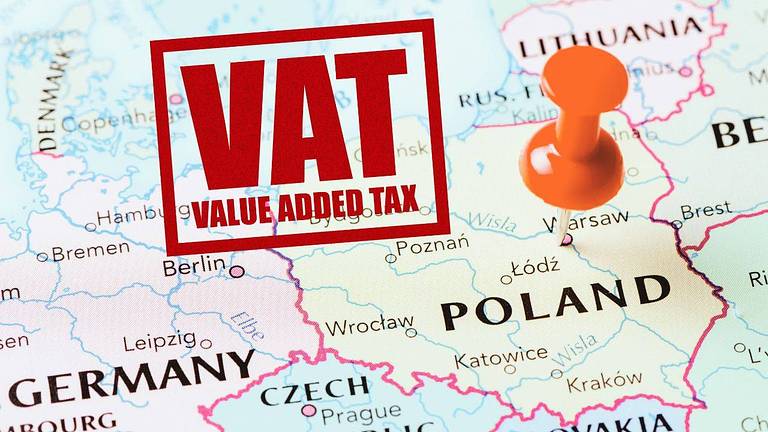
Fixed Establishment (FE) in Poland and VAT – A Practical Guide for Foreign Companies
Learn what a fixed establishment (FE) in Poland is and what VAT obligations foreign companies have. A step-by-step practical guide.
VAT Compliance
Moving your warehouse from Germany to Poland – What E-Commerce companies need to know about VAT and Tax Compliance
More and more German online stores are choosing to relocate their warehouses to Poland. Why? To optimize logistics costs, benefit from cheaper storage space, and enable faster distribution across Central Europe. However, moving goods to Poland comes with new tax obligations, especially regarding VAT (Value Added Tax). In this article, we explain exactly what businesses need to know to avoid issues with the tax authorities in Poland and Germany.
VAT Compliance
VAT in Poland and Warehousing of Goods by Foreign Entities – Complete Overview of Obligations
Warehousing of goods in Poland by foreign entities involves a number of tax obligations, including value-added tax (VAT). This article provides a comprehensive overview of regulations, duties, and practical guidance for foreign companies conducting logistics activities in Poland.
VAT Guide 2026
Registration of foreign companies for VAT in Poland – Guide for companies from Germany and the EU
Guide to VAT registration in Poland for foreign companies: triggers, JPK_VAT filing duties, KSeF deadlines and common mistakes — explained from practice.
VAT Compliance
VAT Deregistration for Foreign Companies – When Can the Polish Tax Office Remove You from the Register?
More and more foreign companies are choosing VAT registration in Poland, even if they don’t have a permanent establishment or office in the country. This allows them to sell goods online to the Polish market or use the OSS system for cross-border sales within the EU. However, registering for VAT alone does not guarantee that the Polish tax office will not initiate VAT deregistration. It’s important to know when this can happen and how to avoid potential issues.
VAT Compliance
KYC Procedure in Banks in Poland - SEO Guide for Foreign Companies with VAT Registration
The KYC (Know Your Customer) procedure is a key requirement for banks in Poland and the EU. For foreign companies registered for VAT in Poland, complying with KYC regulations is essential to open bank accounts, process payments efficiently, and maintain trustworthy business relationships.
VAT Compliance
VAT in Poland - Obligations, Registration and How to Avoid Mistakes
Anyone conducting business activities in Poland must familiarize themselves with VAT in Poland (Polish: Podatek od towarów i usług, abbreviated as VAT). Whether foreign companies supply goods to Poland, provide services, or operate a permanent establishment, correct VAT registration and ongoing VAT compliance are essential to avoid legal and financial risks.